Parsing Web Context: The Elusive Search for Capital High Cash Data
In the vast, ever-expanding ocean of the internet, information is both abundant and incredibly difficult to pin down. For those seeking specific, high-value data—such as "首都 高 ç ¾é‡‘ å…¥å £ 一覧" (which translates to "Capital High Cash Entry List" or similar financial insights)—the journey can often feel like a digital wild goose chase. Our pursuit of precise metrics related to 'Capital High Cash Data' frequently leads us through a maze of irrelevant content, technical jargon, and frustratingly garbled characters. The challenge isn't merely about finding data; it's about sifting through the noise, bypassing digital gatekeepers, and correctly interpreting what we find. This article delves into why obtaining such specialized information is so elusive, exploring the common obstacles faced in web scraping and data parsing, and offering actionable strategies to navigate these complexities.
The true value of data lies in its accuracy and relevance. When we speak of "首都 高 ç ¾é‡‘ å…¥å £ 一覧," we're not just looking for any text; we're searching for structured, meaningful insights, likely related to financial flows, investment opportunities, or high-value transactions within specific capital markets. Yet, as many have discovered, a significant portion of web content obtained through general scraping efforts often fails to deliver this core objective, instead presenting a collection of website navigation elements, sign-up prompts, or even unrelated programming topics. Understanding these common diversions is the first step toward a more successful and targeted data acquisition strategy.
The Digital Mirage: What is 'Capital High Cash Data' and Why Is It Hard to Find?
The term "首都 高 ç ¾é‡‘ å…¥å £ 一覧" (Capital High Cash Entry List) evokes a sense of specific, high-impact financial or economic information. In a professional context, this might refer to a list of significant cash inflows into a capital fund, details of high-value cash transactions, or even a summary of high-liquid assets held by a major entity. Such data is inherently valuable, offering insights into market liquidity, investment trends, or the financial health of institutions. Because of its sensitive nature and potential strategic importance, this type of 'Capital High Cash Data' is often not openly indexed or easily accessible through standard web searches or simple scraping techniques.
The difficulty in finding "首都 高 ç ¾é‡‘ å…¥å £ 一覧" stems from several interconnected factors. Firstly, authoritative financial data is typically housed within proprietary databases, behind paywalls, or presented through dynamic web applications that are challenging for basic scrapers to process. Secondly, search engines prioritize general relevance, and a highly specific, niche term like "Capital High Cash Data" might be buried under mountains of less relevant but more frequently queried content. Lastly, the web itself is a chaotic environment. Even when a search query appears promising, the actual content retrieved can be a patchwork of site structure, advertisements, and unrelated discussions, rather than the focused 'Capital High Cash Data' we seek. This digital mirage effect makes the quest for precise information both compelling and frequently frustrating.
Navigating the Noise: Common Obstacles in Web Scraping and Data Extraction
The journey to extract meaningful data, especially something as specific as "首都 高 ç ¾é‡‘ å…¥å £ 一覧," is riddled with technical and structural challenges. The web, while an incredible repository of information, wasn't designed for easy automated extraction. Its dynamic nature, diverse content formats, and protective measures actively impede straightforward data gathering.
The Character Conundrum: Encoding Nightmares
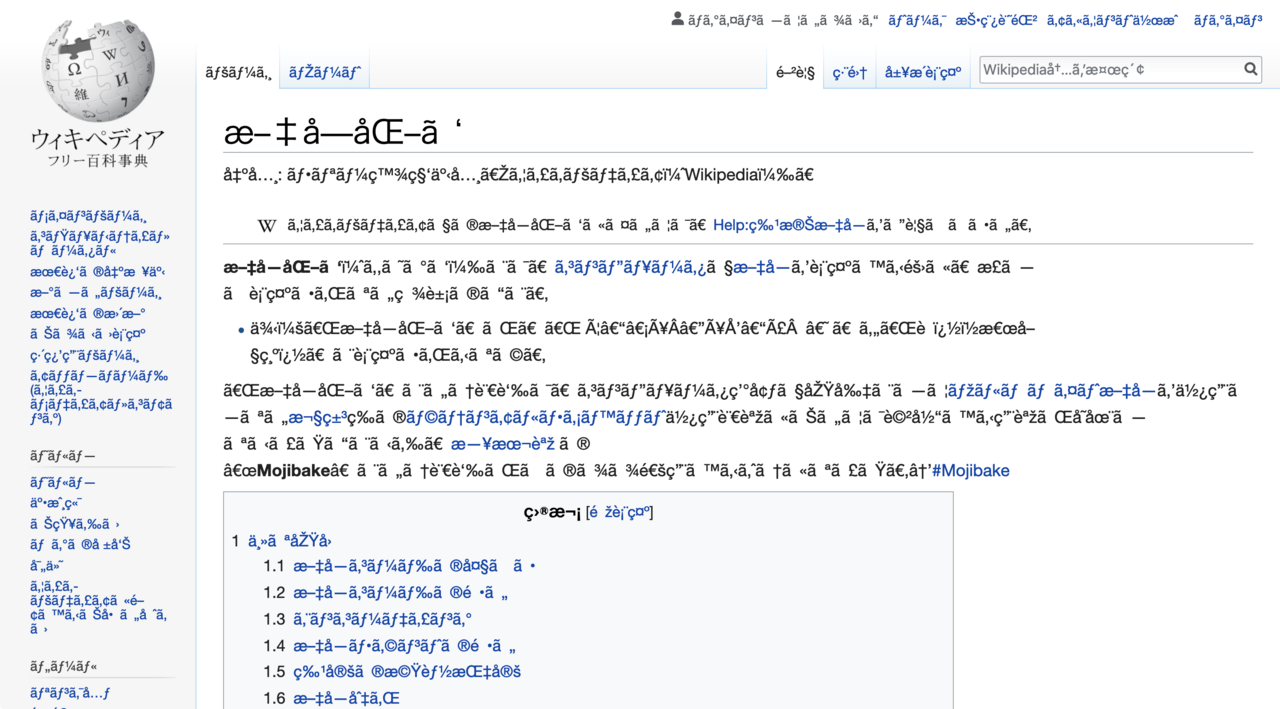
One of the most immediate and frustrating obstacles encountered when processing web content is character encoding. You've likely seen it: "ë, Ã, ì, ù, Ã" or a mishmash of other accented characters like ë, ê, ē, è, é, ß, æ, ã, à, á, â,ä, å, ā, û, ū, ü, ù, ú, ì, î, ï, ī, í, ó, œ, ø, ô, ö, ò, õ, and ō. These aren't just cosmetic issues; they are symptomatic of an underlying encoding mismatch where text encoded in one standard (e.g., UTF-8) is interpreted using another (e.g., ISO-8859-1). When this occurs, the actual content, including any potential mentions of "首都 高 ç ¾é金 å…¥å £ 一覧" or 'Capital High Cash Data,' becomes unreadable gibberish.
This problem is particularly prevalent when dealing with international content or legacy systems. Correctly identifying and converting the character encoding of a web page is crucial for accurate parsing. Tools and libraries in various programming languages offer solutions like `iconv` or `mb_convert_encoding` to normalize text to a universal standard like UTF-8. Without this critical step, even if the desired information is present on the page, it remains inaccessible, contributing to the "missing content" phenomenon often observed in initial web scrapes. For a deeper dive into these issues, understanding
Why 首都 高 ç ¾é‡‘ å…¥å £ 一覧 Content Is Missing in Web Scrapes is essential.
Beyond Encoding: The Structure of Irrelevance
Even with perfect character encoding, a common scrape for "首都 高 ç ¾é‡‘ å…¥å £ 一覧" often yields a deluge of irrelevant material. The references highlight that scraped text frequently consists of "website navigation, sign-up/login prompts, and a long list of programming topics" rather than the actual article content. This is because websites are complex organisms designed for human interaction, not machine reading. They contain headers, footers, sidebars, advertisements, social media widgets, and numerous other elements that are structurally part of the page but conceptually separate from its core informational content.
Extracting specific data like 'Capital High Cash Data' requires sophisticated parsing that can differentiate between semantic content and navigational boilerplate. This often involves using CSS selectors or XPath expressions to target specific elements on a page, or employing natural language processing (NLP) techniques to identify and filter out noise. Without careful targeting, the sheer volume of extraneous data can obscure the genuinely valuable pieces, making the data extraction process inefficient and overwhelming.
The Bot Blockade: Security and Verification Walls
The quest for 'Capital High Cash Data' is further complicated by robust anti-bot measures implemented by many websites. The reference to a "security verification page from www.quora.com" is a classic example. Websites, especially those containing valuable or sensitive information, deploy various techniques to prevent automated access, including CAPTCHAs, reCAPTCHAs, IP blocking based on request frequency, user-agent string validation, and JavaScript challenges.
These "bot blockades" are designed to differentiate human users from automated scripts. While essential for site security and resource management, they pose a significant barrier to legitimate data collection efforts. Overcoming these requires more advanced scraping techniques, such as using headless browsers (like Selenium or Puppeteer) that can execute JavaScript and mimic human interaction, or rotating proxies to avoid IP blacklisting. Ethical considerations and adherence to `robots.txt` protocols are paramount when attempting to bypass these barriers, ensuring that data collection is both effective and respectful of website policies.
Strategies for a Successful Data Hunt for 'Capital High Cash Data'
Despite the formidable challenges, finding pertinent information like "首都 高 ç ¾é‡‘ å…¥å £ 一覧" is achievable with a strategic, multi-pronged approach. Success hinges on precise targeting, advanced technical execution, and meticulous data validation.
Refined Search Queries and Sources
The first step in any data hunt is to refine your search strategy. Generic searches for "首都 高 ç ¾é‡‘ å…¥å £ 一覧" (Capital High Cash Entry List) are likely to yield broad, often irrelevant results. Instead, consider:
- Specificity: Use precise keywords. Combine "Capital High Cash Data" with other relevant terms like "financial report," "investment trends," "market liquidity," or specific company/industry names.
- Advanced Search Operators: Leverage Google's advanced search operators (e.g., `site:`, `filetype:`, `intitle:`) to narrow down results to authoritative domains (e.g., financial institutions, government bodies, reputable news outlets) or specific document types (e.g., PDFs of annual reports).
- Direct Source Identification: Rather than relying solely on search engines, identify and directly explore websites known for publishing financial or economic data. This includes official government statistics bureaus, central banks, major stock exchanges, and well-respected financial news agencies.
- Database & API Exploration: For truly high-value and structured 'Capital High Cash Data,' investigate whether the information is available via official APIs or specialized financial databases (e.g., Bloomberg Terminal, Refinitiv Eikon, FactSet). These often provide cleaner, pre-structured data, though typically at a cost.
Advanced Web Scraping Techniques
When direct APIs are unavailable or insufficient, more sophisticated scraping methods become necessary to unearth "首首都 高 ç ¾é‡‘ å…¥å £ 一覧."
- Headless Browsers: Tools like Puppeteer (Node.js) or Selenium (multi-language) can control a real web browser instance without a visible UI. This allows them to execute JavaScript, interact with dynamic content, log in to sites, and bypass many client-side bot detection mechanisms that static HTTP requests cannot.
- Smart Parsing with CSS Selectors/XPath: Once the page content is loaded (even dynamically), use precise CSS selectors or XPath expressions to target the specific data elements that are likely to contain 'Capital High Cash Data,' ignoring navigation and boilerplate. Inspect the website's HTML structure carefully using browser developer tools.
- Handling Pagination and AJAX: Many sites load data incrementally or through paginated lists. Your scraper must be designed to simulate clicks on "next page" buttons or monitor network requests to identify the AJAX calls that load new data, ensuring you capture the full "Capital High Cash Entry List."
- Ethical Scraping Practices: Always consult a website's `robots.txt` file before scraping. Implement rate limiting to avoid overwhelming servers, and respect their terms of service. Excessive or aggressive scraping can lead to IP bans or legal repercussions.
Post-Scrape Data Cleaning and Validation
Even with the most advanced scraping, raw data often needs significant refinement to become truly valuable "首都 高 ç ¾é‡‘ å…¥å £ 一覧" insights.
- Filtering Irrelevance: Apply regular expressions or text parsing algorithms to filter out common boilerplate text (e.g., "Sign Up," "About Us," "Contact") and keep only content that strongly correlates with financial data.
- Text Normalization: Convert all text to a consistent encoding (e.g., UTF-8), remove extra whitespace, and standardize numerical formats. Address any remaining character conversion issues that slipped through the initial scrape.
- Structure Extraction: Use libraries like Beautiful Soup (Python) or Jsoup (Java) to navigate the HTML tree and extract data into structured formats like CSV, JSON, or a database. Look for patterns in table rows, list items, or paragraph structures that might contain 'Capital High Cash Data.'
- Validation and Cross-Referencing: Critically important for financial data, validate the extracted "Capital High Cash Entry List" against other known sources if possible. Look for outliers or inconsistencies that might indicate incomplete or incorrectly parsed data. Manual review of a sample of the extracted data is often necessary.
These techniques move
Beyond Character Conversion: Finding Real 'Capital High Cash List' Info, focusing on content semantics.
Conclusion
The pursuit of specific, high-value information like "首都 高 ç ¾é‡‘ å…¥å £ 一覧" (Capital High Cash Entry List) on the web is a complex endeavor, fraught with technical pitfalls ranging from character encoding errors to sophisticated anti-bot measures. The inherent structure of the web, designed for human browsing rather than machine extraction, often delivers a digital mirage of irrelevant content that masks the data we truly seek. However, by adopting a strategic, multi-layered approach—combining refined search queries, advanced scraping techniques, and rigorous post-extraction data cleaning and validation—the elusive 'Capital High Cash Data' can indeed be brought into focus. Success in this domain demands not just technical prowess, but also a deep understanding of the target data, ethical considerations, and unwavering persistence in navigating the vast, often chaotic, digital landscape.